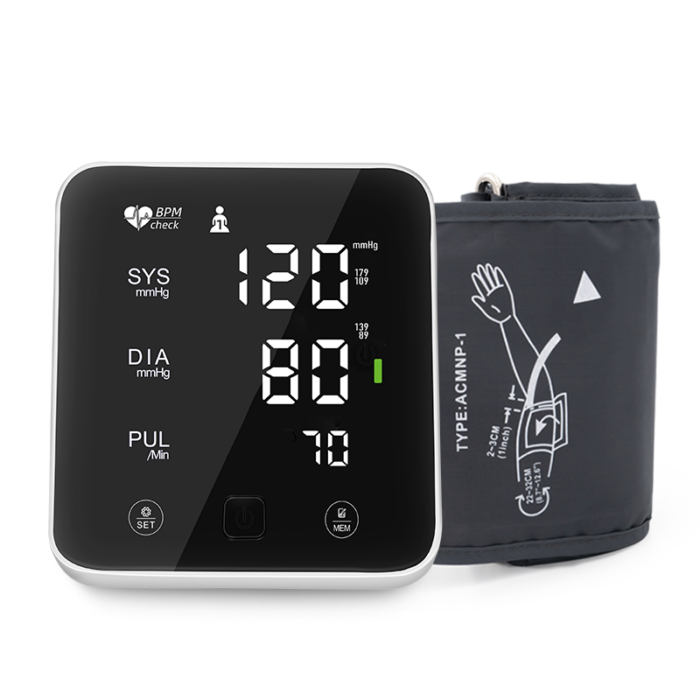
The global home respiratory care market is growing, fueled by higher rates of asthma, COPD and other chronic respiratory diseases, plus increasing demand for non-hospital treatment. Nebulizers turn liquid medicine into fine aerosols to deliver drugs directly to airways and lungs. For medical device distributors, procurement managers and private-label brands, choosing the right nebulizer product line is key to meeting local clinical requirements, satisfying buyers and reducing after-sales issues.
The market has two main types: vibrating mesh portable (handheld) nebulizers and piston compressor nebulizers. This article compares their working principles, performance, benefits, drawbacks and clinical use cases. We feature products from Honwin Global Trading Co., Ltd., a professional home medical device supplier serving clients in over 20 countries.
What is a Compressor Nebulizer?
A compressor nebulizer utilizes a piston air compressor to generate continuous high-pressure compressed air. The high-velocity airflow impacts liquid medication within the nebulizer cup, breaking the solution into micron-sized aerosol particles suitable for pulmonary inhalation.
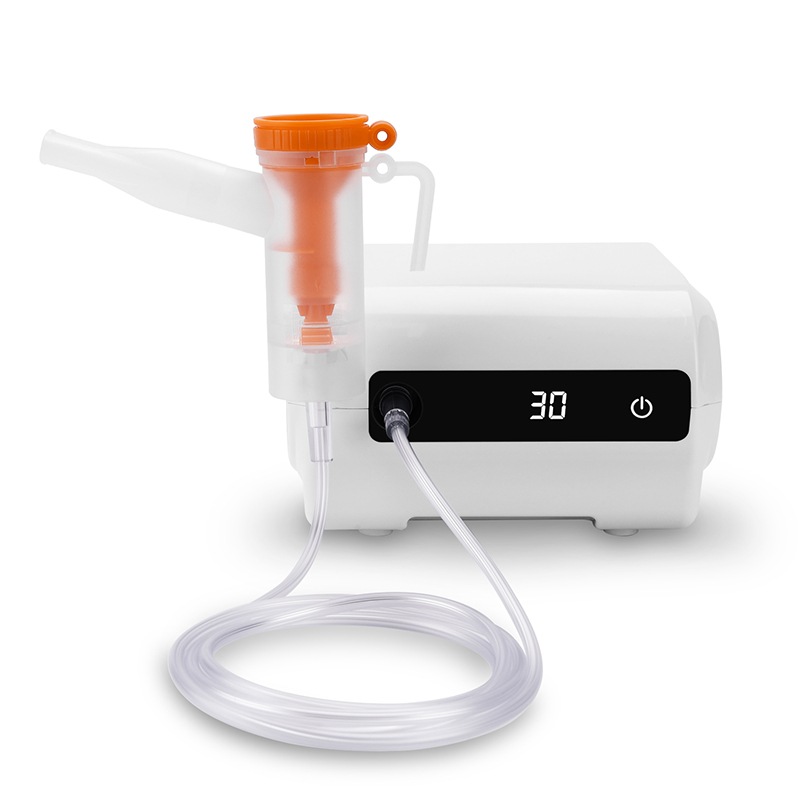
Advantages
Stable output and uniform particle size distribution, supporting efficient drug deposition into deep lung regions.
Compatible with nearly all liquid respiratory prescription medications, widely validated and accepted in clinical environments.
Designed for prolonged continuous operation, featuring extended service life and low failure rates under heavy-duty use.
Less prone to blockage compared to mesh-type devices, with simplified routine maintenance requirements.
Limitations
- Larger footprint and heavier weight, limiting mobility; not designed for travel or on-site outdoor use.
- The working compressor generates audible operational noise, which may cause discomfort for paediatric patients.
- Mainly powered by mains AC supply; battery-operated variants are limited in availability.
- Treatment duration may be longer on low-power models.
Application Scenarios
- Long-term home respiratory management: COPD, persistent asthma, recurrent bronchitis for adults, geriatric patients and children.
- Primary care facilities, outpatient clinics and community medical centers for standardized inhalation therapy.
- Nursing homes and rehabilitation centers for inpatient chronic airway intervention.
- Fixed indoor deployment; not recommended as a portable backup device for travel.
Honwin Global’s compressor nebulizer series holds ISO 13485, CE-MDR and FDA 510(k) certifications, compliant for institutional and homecare markets across Europe, North America, the Middle East and Southeast Asia. As a professional trading supplier, Honwin partners with audited, qualified manufacturing facilities to deliver hospital-grade performance, while avoiding excessive brand premium for bulk buyers. Custom OEM and private labeling services are available.
What is a Portable (Handheld/Mesh) Nebulizer?
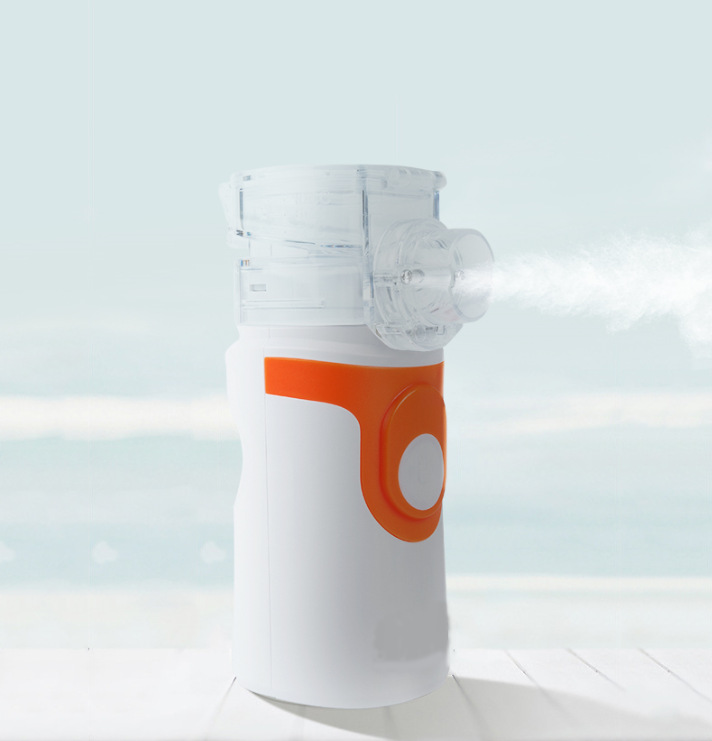
Portable handheld nebulizers rely on vibrating mesh technology. A precision perforated mesh plate vibrates at high frequency, extruding liquid medication through micro-pores to form breathable fine mist. These compact devices are typically powered by rechargeable lithium batteries or USB-C power supply.
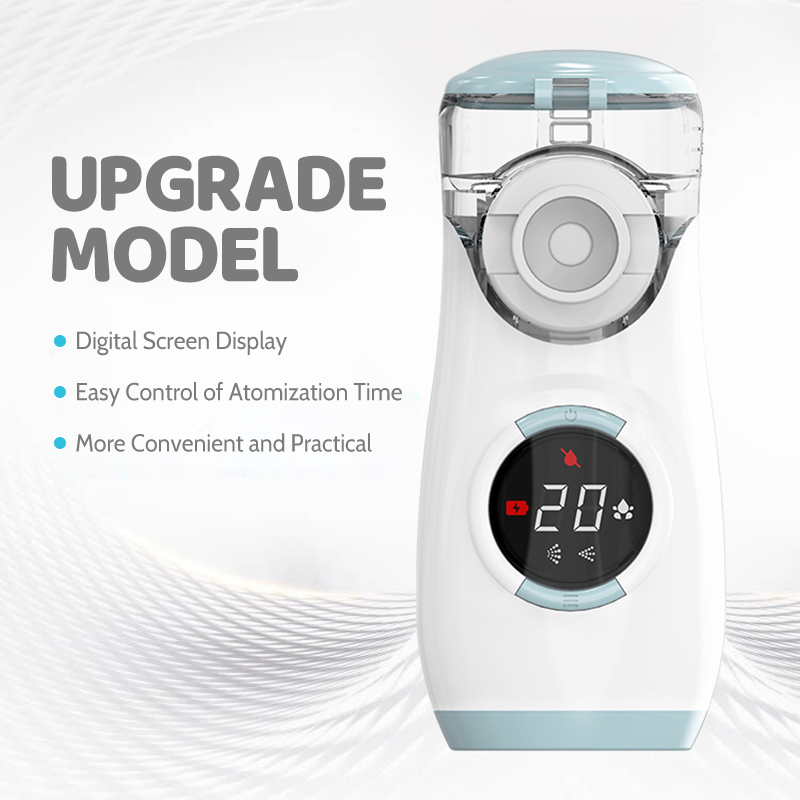
Advantages
- Ultra-compact handheld form factor, lightweight and easily carried in handbags for trips and business travel.
- Low noise operation, greatly improving treatment compliance for children during night-time medication administration.
- Flexible power options via built-in rechargeable battery or USB connection, independent of wall power outlets.
- Intuitive assembly, simple operation and convenient daily cleaning workflow.
Limitations
- The mesh membrane is a consumable component. Viscous drug formulations or inadequate cleaning will lead to mesh clogging and reduced atomization efficiency.
- Overall aerosol output is lower than compressor models, making it less suitable for severe acute respiratory episodes.
- Recurring maintenance expense: mesh plates require periodic replacement after prolonged usage.
- Many hospital procurement teams still prefer compressor nebulizers for high-intensity clinical therapy due to proven stability.
Application Scenarios
- Intermittent home use for mild paediatric wheezing, cough and asthma symptom relief.
- Travel and outdoor activities for patients with stable mild chronic respiratory disorders.
- Night-time inhalation therapy for children sensitive to operational noise.
- Personal backup device; not the primary recommendation for long-term high-dose clinical treatment.
Honwin’s portable mesh nebulizer line targets retail e-commerce and travel-focused markets. The company provides complete regulatory document support for distributors and brand owners, along with flexible OEM & private label solutions to meet diverse market requirements.
Side-by-Side Comparison Table
| Parameter | Compressor Nebulizer | Portable Mesh Nebulizer |
|---|---|---|
| Working Principle | Piston air compression | High-frequency vibrating mesh |
| Atomization Performance | Powerful, stable aerosol, deep lung penetration | Moderate output, suitable for mild symptoms |
| Noise Level | Moderate to high | Low, quiet operation |
| Power Source | AC mains supply | Rechargeable battery / USB-C |
| Form Factor | Bulkier, heavier | Compact, handheld, lightweight |
| Durability & Lifespan | Robust hardware, long service life | Mesh plate is consumable and needs regular replacement |
| Medication Compatibility | Compatible with most liquid respiratory medicines | Best for thin liquid formulations; viscous drugs carry clogging risk |
| Target End Users | Hospitals, clinics, nursing homes, patients requiring long-term home therapy | Individual users, travellers, paediatric patients with mild symptoms |
How to Select Nebulizers According to Your Target Market
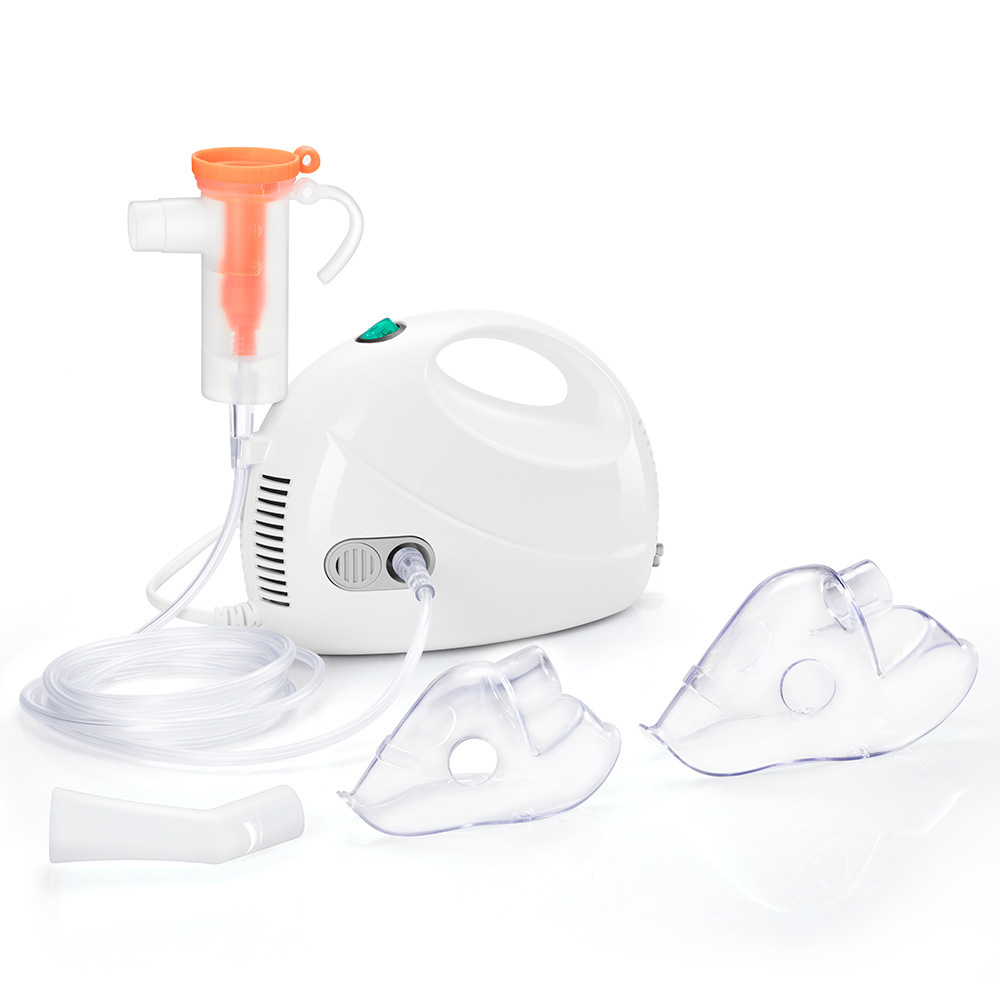
- B2B Institutional Procurement (Hospitals, Clinics, Nursing Facilities) Prioritize compressor nebulizers. Clinical buyers prioritize stable aerosol quality and broad medication compatibility. Certified compressor devices from suppliers like Honwin Global satisfy institutional tender standards, with batch inspection records and complete global registration documentation.
- B2C E-commerce & Retail Home Healthcare Market Maintain both product lines in your portfolio. Portable mesh nebulizers attract families with young children and frequent travellers. Compressor nebulizers serve patients with chronic or severe respiratory disease seeking durable long-term home therapy.
- Travel-Focused Markets (Southeast Asia, Middle East) Portable nebulizers stand out for mobility. Distributors should educate end-users on proper mesh cleaning protocols to reduce clogging-related after-sales issues.
- Regions with Unstable Grid Power Supply Battery-powered portable mesh nebulizers deliver tangible practical advantages for end-users in these regions.
Conclusion
There is no universal “better” nebulizer; the optimal selection depends on your target market’s clinical requirements, usage environment and customer groups.
Compressor nebulizers remain the gold standard for clinical use and long-term home respiratory therapy, offering dependable performance and extensive medication compatibility. Portable mesh nebulizers gain consumer preference through portability and quiet operation for mild symptom management and mobile treatment scenarios.
For global medical device distributors, partnering with qualified suppliers such as Honwin Global Trading Co., Ltd. enables you to stock both product types, covering institutional procurement and retail consumer segments. Honwin provides full regulatory support, low MOQ OEM and private-label services, delivering hospital-grade quality without premium brand pricing.